Bridging the Gap: How Graffiti Brush Procreate is Redefining Digital Street Art
We’ve been working with graffiti for a long time, deeply rooted in the tactile reality of spray cans, concrete walls, and the smell of aerosol. However, recently we’ve noticed a significant shift in demand. There is a growing cohort of artists and designers who wish to work with graffiti digitally but lack the specific materials to replicate that authentic, raw aesthetic. As a graffiti artist who focuses almost exclusively on analog artwork, I understand the friction between the physical and digital worlds. To bridge this gap, we have spent countless hours dedicated to creating handmade resources in an analog style, specifically engineered to work seamlessly in Procreate using the iPad Pro and Apple Pencil.
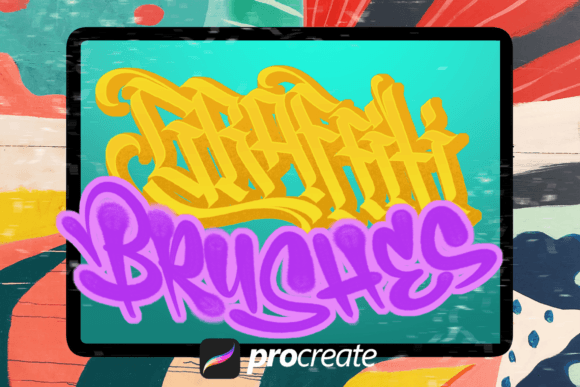
This transition is not merely about convenience; it is about evolution. We have studied what works and what does not, analyzing pressure sensitivity, tilt response, and texture mapping to create our own extensive brush sets. The result is a toolset that respects the heritage of street art while embracing the efficiency of modern technology. Our Graffiti Brush Procreate collection is designed to offer a perfect possibility of creation, allowing users to merge the spontaneity of the street with the precision of digital design.
The Evolution of Analog Aesthetics in a Digital Workflow
The creative industry is witnessing a fascinating paradox. While technology becomes increasingly polished and vector-based, there is a simultaneous craving for imperfection, texture, and human touch. This is where our approach diverges from standard digital illustration tools. We didn’t just scan existing brushes; we created them from the ground up. By designing sets of brushes complete with drips, splashes, and templates of graffiti tools, we allow artists to bypass the sterile feel of default software options.
Consider the workflow of a traditional graffiti writer. The interaction between the cap, the pressure of the finger, and the surface texture creates unique outcomes every time. Replicating this digitally requires more than just a round brush with opacity jitter. It requires an understanding of fluid dynamics and material behavior. Our Dans 3D Brush Procreate 1 suite makes it easier for you to be creative in making digital works with analog touches that look very real. You can use it to make lettering designs, posters, flyers, or design anything without any limitations as you wish.
This relevance extends beyond individual artists. For marketers and entrepreneurs, the ability to produce high-quality, street-art-inspired visuals quickly is invaluable. The trend toward "authentic" branding means that clean, corporate graphics often fail to resonate with younger demographics. By utilizing tools that mimic the grit and energy of urban art, brands can communicate more effectively with audiences who value authenticity over polish.
Why Professionals Are Shifting to Digital Graffiti Tools
The adoption of specialized digital tools like Graffiti Brush Procreate is driven by several changing needs and expectations in the professional landscape. First, there is the issue of accessibility and legality. Not every artist has access to legal walls or the budget for expensive aerosols. Digital platforms provide a sandbox for experimentation without the risk of legal repercussions or material waste. This allows for rapid iteration, a crucial component in commercial design workflows.
Secondly, the integration of these tools into broader design ecosystems cannot be overstated. An artist can sketch a concept on their iPad during a commute, refine it using our custom brushes, and then export it for further editing in desktop software. This hybrid workflow is becoming the standard for freelancers and agencies alike. The flexibility to move between analog-style creation and digital refinement empowers creators to meet tight deadlines without sacrificing artistic integrity.
Furthermore, the learning curve for traditional graffiti is steep. It involves mastering physical control, understanding chemical properties of paint, and navigating social hierarchies within the subculture. Digital tools lower the barrier to entry for the visual style, allowing graphic designers, illustrators, and even hobbyists to incorporate graffiti elements into their work. This democratization of style is expanding the market for street-art-inspired content, creating new opportunities for monetization and expression.
Practical Applications and Creative Possibilities
To truly understand the value of these resources, one must look at practical applications. Here are several ways professionals and enthusiasts are leveraging our brush sets:
- Brand Identity and Logo Design: Startups looking to project a rebellious or youthful image can use textured brushes to create logos that stand out against minimalist competitors. The organic edges provided by our drip and splash brushes add character that vector tools often struggle to replicate naturally.
- Social Media Content Creation: In the fast-paced world of digital marketing, static images need to grab attention instantly. Graffiti-style typography and backgrounds created with Procreate offer high visual impact. Artists can create animated sequences of tags being written, leveraging the time-lapse feature inherent to the app.
- Fashion and Textile Design: Streetwear brands thrive on unique graphics. Designers can use our templates to create complex patterns that mimic layered stickers and paint splatters, which can then be printed on fabrics. The high resolution of the iPad Pro ensures that these details remain crisp even when scaled up for large-format printing.
- Motion Graphics Preparation: Before animating graffiti in After Effects or Cinema 4D, artists need solid base assets. Our brushes allow for the creation of detailed, multi-layered compositions that serve as excellent starting points for motion designers. The separation of drips, outlines, and fills into different layers facilitates easier animation later in the pipeline.
Technical Precision Meets Artistic Freedom
A common misconception is that digital brushes are static. However, our development process focused heavily on dynamic response. When we say we studied what works and what does not, we refer to the nuanced interplay between the Apple Pencil and the screen. A hard press should yield a wider, more saturated line, mimicking a fat cap. A light touch should produce a thin, scratchy line, similar to a needle cap or a dry marker.
This level of fidelity is crucial for maintaining the "handmade" feel. If the brush feels too uniform, the illusion breaks. Our Graffiti Brush Procreate sets are calibrated to respond to velocity and angle, ensuring that each stroke feels intentional and organic. This technical precision allows artists to focus on composition and style rather than fighting against the software.
Moreover, the inclusion of templates for graffiti tools—such as stencils and markers—provides a structural foundation for beginners while offering speed advantages for professionals. These templates are not rigid constraints but flexible guides that can be customized, rotated, and layered to create complex compositions rapidly.
The Future of Digital Street Art
As we look forward, the line between physical and digital art will continue to blur. Augmented reality (AR) and virtual reality (VR) are opening new canvases for graffiti artists. The skills developed using tools like Dans 3D Brush Procreate 1 are transferable to these emerging mediums. Understanding how light interacts with paint, how drips fall, and how colors blend is fundamental, regardless of whether the final output is on a wall or in a virtual space.
For entrepreneurs and creators, staying ahead of this curve means investing in tools that offer versatility. The ability to create authentic-looking street art digitally is no longer a niche skill; it is a valuable asset in a visual-first economy. Whether you are designing a campaign for a global brand or expressing personal creativity, the right tools empower you to execute your vision without compromise.
In conclusion, our journey from analog exclusivity to digital innovation was driven by a desire to preserve the soul of graffiti while adapting to modern demands. By combining deep industry knowledge with advanced digital engineering, we have created a resource that serves both the purist and the pioneer. We invite you to explore the possibilities, experiment with the textures, and redefine what digital graffiti can be. The wall is no longer a limit; it is just the beginning.