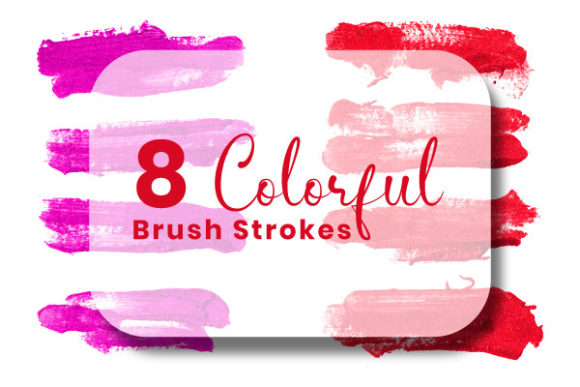
Integrating the Colorful Stroke Brushes Collection into Professional Design Workflows
In the fast-paced world of digital design, efficiency and visual impact are not mutually exclusive; they are interdependent. Whether you are a freelance graphic designer crafting a brand identity, a small business owner creating social media assets, or a marketer preparing for a seasonal campaign, the tools you choose define the speed and quality of your output. The Colorful Stroke Brushes Collection represents more than just a set of digital assets; it is a strategic resource that can streamline your creative process while adding a distinct, hand-crafted aesthetic to your projects. Understanding how to integrate this collection into your existing workflow allows you to move beyond generic templates and produce work that feels authentic, dynamic, and professionally polished.
The Role of Texture and Stroke in Modern Visual Communication
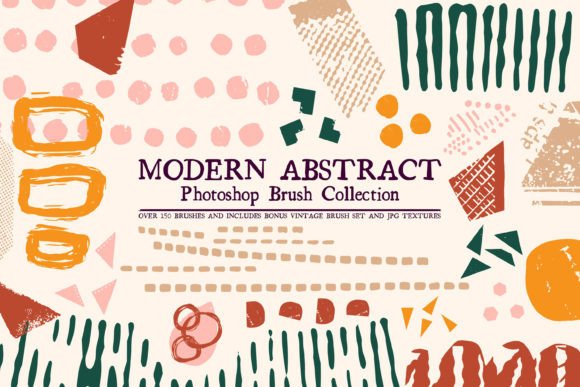
Visual communication has shifted away from the overly sterile, flat designs that dominated the early 2010s. Today’s audiences respond to texture, imperfection, and human touch. This is where brush strokes become critical. They introduce organic movement and energy into static layouts. The Colorful Stroke Brushes Collection provides a curated selection of these elements, designed to bridge the gap between digital precision and analog warmth. By incorporating these brushes, you are not merely decorating a layout; you are guiding the viewer’s eye and establishing an emotional tone.
For professionals, the value lies in versatility. A single brush stroke can serve as a background element, a framing device, or a focal point. When you grab this collection, you are acquiring a toolkit that adapts to various industries. From fashion lookbooks that require a sense of fluidity to tech startup pitch decks that need to appear approachable and innovative, these brushes offer a neutral yet expressive foundation. The key is recognizing that these assets are not final products but building blocks that interact with typography, photography, and color theory to create a cohesive narrative.
Pre-Production: Preparation and Compatibility
Before diving into creation, successful implementation requires proper setup. The collection includes one JPEG file and one PNG file. Understanding the technical distinction between these formats is crucial for maintaining quality and workflow efficiency. The PNG file, typically featuring a transparent background, is the primary asset for layering. It allows you to place colorful strokes over photographs, solid colors, or complex gradients without unwanted white boxes or jagged edges. This transparency is essential for non-destructive editing, enabling you to adjust opacity, blending modes, and position without altering the underlying design.
The JPEG file serves a different purpose. It is ideal for scenarios where a solid background is acceptable or when file size is a primary concern for web loading speeds. However, for most professional applications involving compositing, the PNG is your go-to resource. Ensure your design software—whether Adobe Photoshop, Illustrator, Canva, or Affinity Designer—is updated to handle high-resolution PNGs with alpha channels smoothly. Organizing these files in a dedicated assets folder before starting a project prevents time wasted searching for resources mid-flow, a common bottleneck in tight deadlines.
Application Across Diverse Project Types
The true power of the Colorful Stroke Brushes Collection emerges when applied to specific, real-world use cases. Let us explore how these assets function across different mediums.
Marketing Materials and Sales Banners
In marketing, attention is the currency. A sale banner often competes with dozens of other visual stimuli on a user’s feed. Using a bold, colorful stroke behind your primary call-to-action text creates immediate visual hierarchy. It separates the message from the background noise. For example, placing a vibrant brush stroke behind "50% Off" draws the eye instantly. The grunge effect mentioned in the collection’s potential uses adds a sense of urgency and rawness, which can be particularly effective for limited-time offers or streetwear brands. This technique works because it breaks the grid, making the design feel spontaneous and exciting rather than corporate and rigid.
Fashion and Lifestyle Branding
Fashion design relies heavily on mood and atmosphere. Here, the brushes can be used subtly to create a bokeh effect or a stylish overlay on model photography. By lowering the opacity of a colorful stroke and setting the blending mode to "Screen" or "Overlay," you can introduce color grading that feels artistic rather than filtered. This approach is excellent for lookbooks, Instagram stories, or website headers. It adds depth to flat images and helps maintain brand consistency across different photo shoots by providing a unifying visual thread.
Custom Merchandise and Print Products
When designing for physical products like custom mugs or t-shirts, resolution and placement are critical. The high-quality nature of the PNG files ensures that when printed, the edges remain crisp, avoiding the pixelation that plagues lower-quality assets. For t-shirt designs, a grunge-effect stroke can serve as the central graphic or as an accent around typography. The tactile feel of a brush stroke translates well to fabric, giving the garment a premium, artist-designed appearance. For mugs, wrapping a colorful stroke around the curvature of the design can create a dynamic 3D effect, enhancing the perceived value of the product.
Event Promotion: Flyers and Party Invitations
Party flyers and event banners benefit from high energy. The colorful nature of this collection allows designers to match the vibe of the event—neon strokes for electronic music events, pastel strokes for brunch gatherings, or dark, moody strokes for exclusive nightlife. Layering multiple strokes from the collection can create a sense of movement and rhythm, mirroring the experience of the event itself. This method reduces the need for complex illustration skills, allowing even novice designers to produce professional-grade promotional materials quickly.
Workflow Integration and Efficiency Tips
To maximize the utility of the Colorful Stroke Brushes Collection, consider adopting a modular approach to your design process. Instead of treating each project as a blank slate, build a library of pre-composed elements using these brushes. Create variations with different colors, rotations, and opacities. Save these as reusable components. When a new project arises, you can drag and drop these pre-made assets, adjusting only the hue to match the new brand guidelines. This strategy significantly reduces turnaround time and ensures consistency across multiple deliverables.
Furthermore, experiment with masking. Rather than simply placing the stroke on top, use it as a clipping mask for images or textures. This technique allows the colorful shape to define the visible area of a photograph, creating sophisticated composite images that look custom-made. It is a simple step that elevates the perceived complexity of the design without requiring advanced technical skills.
Quality Control and Long-Term Use
Maintaining quality control involves regular audits of your asset library. As trends evolve, so should your usage of these brushes. While the core asset remains the same, the way you combine it with typography and other elements should adapt to current design standards. Monitor how these strokes perform in different contexts. Do they enhance readability? Do they distract from the main message? Adjust your application based on these observations. The longevity of this collection lies in its simplicity; because it is abstract, it does not date quickly like specific illustrative styles might.
Finally, remember that creativity thrives within constraints. Having a defined set of tools like this collection forces you to think laterally. Instead of searching endlessly for the perfect graphic, you focus on manipulating what you have. This constraint breeds innovation. You might discover that rotating a stroke 45 degrees and changing its blend mode creates a completely new texture suitable for a background. These discoveries become part of your unique design signature.
In conclusion, the Colorful Stroke Brushes Collection is a versatile, practical tool for any creator looking to enhance their visual output. By understanding the technical specifications, planning their integration into your workflow, and experimenting with diverse applications from fashion to marketing, you can transform simple digital assets into powerful communication tools. Grab this collection, integrate it thoughtfully, and make something great that resonates with your audience and stands out in a crowded digital landscape.